

Traffic Rules New Zealand
General:
In New Zealand, roads are the primary means of transportation, so they are generally in relatively good condition. About 54,000 kilometres of the total 92,000-kilometre road network are paved. There are even 150 kilometres of motorway between Auckland, Wellington and Christchurch. However, most of the roads have a maximum of two lanes and some bridges have to be shared with a railway. There is left-hand traffic everywhere, although “right before left” still applies. Cars have priority in roundabouts.
Driving licence:
An international driver’s license is not essential, but quite useful.
Promise limit:
The 0.8 blood alcohol limit applies everywhere in New Zealand.
Fines:
Fine amounts vary widely. Speeding fines are particularly expensive. A violation of the seat belt obligation costs thereby NZ$ 150 (1 euro is about 1.9 New Zealand dollars).
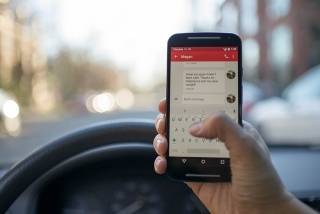
Similar traffic rules apply as in Europe. Speed limits are 50 km/h in cities and 100 km/h is allowed on rural roads. The limit on motorways is 100 km/h. Telephone calls are only allowed with a suitable hands-free device. Parking is prohibited when there are yellow edge markings and a round white sign with a red edge and LSZ in the middle, indicates that 50 km/h is allowed.
hire car price comparison
Advisor Articles

How to protect yourself from potential hire car rip-offs!
Wet roads, new car: here are helpful tips!

Tips & tricks for hire car. What to look out for!

How to master driving a hire car in left-hand traffic

Take a hire car on the ferry. Is that possible?

Is it possible to rent the hire car without a credit card?

Choosing the right rental vehicle from the hire car company.

How to protect yourself from a hire car theft

Break down with your holiday car? Here's how best to respond.

What to look for in a hire car accident

What insurance coverage you need when renting a car

Road Trip New Zealand - From Christchurch to Auckland