

Holidays in Spain
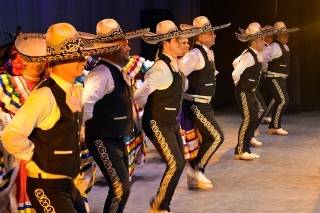
Every country in the world has legal holidays. Either celebrations are held or the regulations call for rest and reflection. This is no different in Spain. The year begins with a holiday in this nation as well. New Year’s Day is called Año Nuevo and is a date when businesses are closed and no work is done. Every year, just six days later, comes the next legally mandated date. This time it is an ecclesiastical day of rest. Spain is known to be a Catholic nation. The 6th of January is called in Germany Holy Three Kings, in Spain Epifanía / Reyes Magos.
The first major celebration of the year each year is Easter. Good Friday is, if all is not mistaken, a silent day in all Christian countries. In many places only churches are open, no shops, and there are no concerts or sporting events. In Spain, these rules are very strict on Viernes Santo. The same applies to Easter Sunday, the highlight of Easter. In Spain, this day is called Domingo de Resurrección. Resurrection means resurrection. It is the day on which Jesus is said to have risen from the dead, according to Christian doctrine.
The next anniversary in the Spanish calendar is similar to Germany’s Labor Day, the Día del Trabajo, which is celebrated annually on May 1. In the major cities in Spain, colorful parades are held on this date, accompanied by other festivities and activities. In addition, May Day, which is a public holiday, is also used by trade unions to demonstrate.
A few months pass before the next public holiday, which is celebrated throughout Spain. Every year on August 15 is the Asunción de la Virgen, in German: Mariä Himmelfahrt. It is also a church holiday.
This nation’s national holiday is on October 12. The Fiesta Nacional de España. It is also called Dia de la Hispanidad. This day is celebrated to commemorate the arrival of Columbus in the Americas in 1492. This date is also celebrated as Armed Forces Day. It begins with the raising of the national flag in Madrid by the King of Spain each year, a ceremony that is followed by a military parade in which the country displays weapons and artillery. In addition, there is traditionally an air show. On the streets, however, there is not much celebration. Most shops and all offices are closed on this day and most people stay at home with their families and watch the live broadcast of the parade and air show on television.
In November, more precisely on November 1, it becomes churchy again with the Fiesta de Todos los Santos. In Germany, this day is called All Saints Day.
When it’s St. Nicholas in Germany, Spain celebrates Día de la Constitución, the day of the Spanish Constitution. In 1978, three years after the death of the dictator Franco, a new democratic constitution was passed by parliament. The celebrations are to indicate that Spain is a democratic state. Again, it becomes ecclesiastical two days later when it is the Immaculate Conception, which in Spain is called La inmaculada.
As a Christian country, Christmas now follows in the holiday series. The first big Christmas day, that is the 25th of December, is called Navidad. The second day of Christmas is not considered a public holiday, at least according to many official lists.
In addition to the aforementioned days, which are celebrated throughout Spain, there are a number of regional holidays. For example, the region of Andalusia celebrates Día de Andalucía every year on February 28. The 30th of May is a holiday on the Canary Islands of Gran Canaria, Fuerteventura, Lanzarote, Tenerife, La Gomera, La Palma, El Hierro and the six small secondary islands: the Día de Canarias. The 9th of June is the Día de la Región de Murcia, that is the day of the region Murcia. On the 8th of September is the Día de Asturias, a holiday in the region of Asturias. On the 11th of September, Catalonia celebrates its national holiday. The proud Catalans celebrate the Fiesta Nacional de Cataluña. Who is on 9.October in the city of Valencia, can admire the parades and festivities on the Día de la Comunidad Valenciana.
Regional are also celebrated other holidays, which are mainly of ecclesiastical origin. On 19 March is San José, so Saint Joseph. Maundy Thursday is called Jueves Santo and is celebrated one day before Easter in some regions, as well as Easter Monday as Lunes de Pascua. On the 23rd of April the Saint George, thus San Jorge, is also a church celebration, as also San Isidro (Saint Isidor) on the 15th of May, San Juan (Saint John) on the 24th of June and before that at the end of May Corpus Christi, which is also known in Germany in some federal states as a holiday. In the summer, more exactly on the 25th July, there is only Santiago Apóstol, thus the day of Saint Jakob and on the 9th November the Virgen de la Almudena (in German: Our Lady of Almudena). It is the feast of the mother and patron saint of the Virgin of Almudena, patron saint of Madrid.
hire car price comparison
Advisor Articles

How to protect yourself from potential hire car rip-offs!

Tips & tricks for hire car. What to look out for!

Extreme heat - Often a particular challenge for hire cars.

Is it possible to rent the hire car without a credit card?

Choosing the right rental vehicle from the hire car company.

How to protect yourself from a hire car theft

Break down with your holiday car? Here's how best to respond.

What to look for in a hire car accident

What insurance coverage you need when renting a car

Exploring Spain by hire car